
What Is an Air Freight Forwarder?
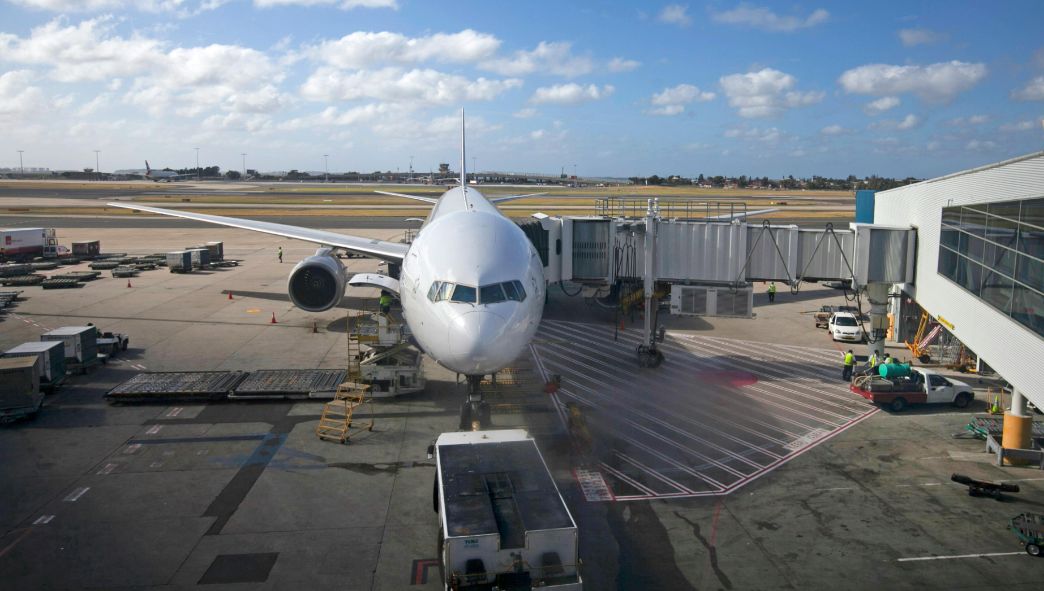
An air freight forwarder is a specialist in the logistics chain who manages the movement of goods by air on behalf of exporters, importers, and manufacturers. Acting as an intermediary between shippers and airlines, the forwarder handles every stage of the air cargo process — from booking cargo space and preparing airway bills (AWBs) to coordinating customs clearance and ensuring compliance with international trade regulations.
Unlike airlines, which focus on transportation capacity, air freight forwarders focus on coordination, documentation, and efficiency. They negotiate with carriers, manage cargo consolidation and deconsolidation, and maintain visibility across complex supply chains. Many forwarders also operate bonded warehouses, provide cargo insurance, and offer door-to-door delivery solutions that connect remote regions of Australia to global trade routes.
In Australia, reputable air freight forwarders work closely with agencies such as the Australian Border Force (ABF), the Department of Agriculture, Fisheries and Forestry (DAFF), and global aviation bodies like IATA (International Air Transport Association). Their expertise ensures that shipments meet both customs compliance and biosecurity standards, reducing the risk of costly delays or penalties.
Whether managing urgent medical equipment, mining components bound for remote areas, or high-value electronics, forwarders act as the critical link that keeps air logistics running smoothly. In essence, they are the architects of global air cargo — balancing speed, cost, and reliability while navigating a constantly changing regulatory environment.
Explore the major international air freight routes from Australia
How Air Freight Forwarding Works
 The process of air freight forwarding is a coordinated sequence of logistics, documentation, and regulatory steps that ensure cargo moves safely and efficiently from origin to destination. While every shipment differs depending on its nature and route, the core workflow remains consistent across the global air cargo industry.
Shipment Details and Cargo Data
The process begins when the client — often an exporter, importer, or manufacturer — provides the forwarder with shipment information, including cargo dimensions, weight, commodity type, and destination. These details determine routing options, applicable regulations, and whether the freight qualifies as general cargo, perishable goods, or dangerous goods (DG).Booking and Airway Bill (AWB) Issuance
The air freight forwarder secures cargo space with an airline or consolidator, depending on the shipment’s urgency and budget. Once confirmed, the forwarder issues an Airway Bill (AWB) — a critical transport document that serves as both a contract of carriage and a cargo tracking reference. In many cases, this is now managed electronically through the e-AWB system, in line with IATA standards.Cargo Preparation and Airport Acceptance
The goods are then packed, labelled, and secured according to airline and regulatory requirements. The forwarder arranges delivery to a bonded warehouse or air freight terminal at the origin airport. Here, the cargo undergoes inspection and is formally accepted by the airline, entering the controlled chain of custody.Customs Documentation and Export Clearance
Before departure, the forwarder handles all customs export declarations, security screenings, and biosecurity requirements in coordination with agencies such as the Australian Border Force (ABF) and the Department of Agriculture, Fisheries and Forestry (DAFF). This step ensures the shipment meets both export compliance and aviation security standards.Air Transport and Import Handling
Once airborne, the shipment is tracked throughout its journey using the AWB number. Upon arrival, the destination forwarder (or partner agent) takes over, managing import customs clearance, duties, and tax assessments before coordinating final delivery to the consignee’s warehouse or facility.
In practice, air freight forwarding is not simply about transportation — it’s about precision, timing, and regulatory fluency. Forwarders bridge the gap between shippers, airlines, and government authorities, ensuring that every consignment — whether a pallet of mining equipment or a shipment of medical supplies — arrives safely, swiftly, and fully compliant.
Why Businesses Use Air Freight Forwarders
 Companies turn to air freight forwarders because they remove the complexity from one of the most demanding parts of international trade — moving goods quickly, securely, and across multiple jurisdictions. Air freight is the preferred mode for time-sensitive, high-value, or perishable shipments, and forwarders make that process seamless by managing every link in the chain.
At their core, forwarders offer speed, precision, and compliance. They understand the intricate customs procedures, security clearances, and documentation standards enforced by agencies such as the Australian Border Force (ABF) and IATA. Their established networks connect shippers, airlines, ground handlers, and customs brokers, ensuring that each shipment moves without costly delays or errors.
For many Australian businesses, especially those operating in mining, healthcare, and technology, working with an experienced forwarder is not optional — it’s essential. Here are a few examples of how their expertise is applied in practice:
Urgent industrial and mining parts: When a remote mine site in Western Australia requires replacement machinery or drilling components, an air freight forwarder can secure space on the next available flight, often within hours.
Medical and pharmaceutical logistics: Forwarders manage temperature-controlled or cold-chain shipments, ensuring sensitive medical products meet regulatory standards and maintain integrity in transit.
High-value, low-weight goods: Electronics, aerospace components, and luxury goods depend on air freight’s security and reliability to reach global markets quickly.
By combining industry knowledge, technological tools, and strategic partnerships, air freight forwarders transform a complex logistical challenge into a controlled, trackable process. For businesses that depend on precision, the forwarder isn’t just a service provider — they’re a critical extension of the supply chain.
Core Services Offered by Air Freight Forwarders
 Leading air freight forwarders offer a comprehensive suite of services designed to manage the entire lifecycle of cargo shipments, both domestically and internationally. Their role goes far beyond simply moving goods from point A to point B — they act as strategic partners, providing expertise in logistics, regulatory compliance, and risk management.
Here are the key services typically provided by top-tier forwarders:
International and Domestic Air Cargo Forwarding
Forwarders coordinate flights with airlines, consolidators, and cargo carriers to ensure shipments reach their destination efficiently. They manage both short-haul domestic routes between cities such as Sydney, Melbourne, Brisbane, and Perth, and long-haul international corridors to Asia, North America, and Europe.Customs Clearance and Quarantine Coordination
Navigating customs regulations is one of the most complex aspects of shipping. Forwarders prepare all necessary export and import documentation, lodge customs declarations, and coordinate biosecurity inspections with agencies like the Australian Border Force (ABF) and the Department of Agriculture, Fisheries and Forestry (DAFF), ensuring compliance and avoiding delays.Door-to-Door and Door-to-Airport Delivery
For clients seeking convenience, forwarders arrange pickup from the warehouse or facility and delivery directly to the airport or the final consignee address. This service is particularly useful for businesses without direct access to freight terminals or for shipments to remote regions of Australia. – Check out door-to-door delivery solutions for air freightConsolidation and Groupage Services
Forwarders often consolidate smaller shipments into larger cargo loads to optimize cost-efficiency and reduce air freight charges. This process, known as groupage, is ideal for businesses shipping partial pallets or multiple small consignments.Express and Same-Day Options for Urgent Loads
Time-sensitive shipments, such as medical supplies, spare parts for mining operations, or perishable goods, benefit from express or same-day services. Forwarders coordinate last-minute bookings, ensuring cargo meets strict delivery deadlines while maintaining safety and compliance. – Discover same-day and express air freight services in AustraliaCargo Insurance, Packaging Advice, and Export Documentation
To protect high-value or fragile goods, forwarders provide insurance coverage and expert packaging recommendations tailored to cargo type and destination. They also prepare essential documents including commercial invoices, packing lists, and certificate of origin, reducing the risk of customs issues or shipment damage.
By offering these services, air freight forwarders transform complex logistics into a seamless, trackable, and reliable process. They serve as trusted partners for businesses across industries such as mining, healthcare, electronics, and manufacturing, ensuring that cargo moves efficiently, safely, and in compliance with all international and local regulations.
Understanding Air Freight Costs and Chargeable Weight
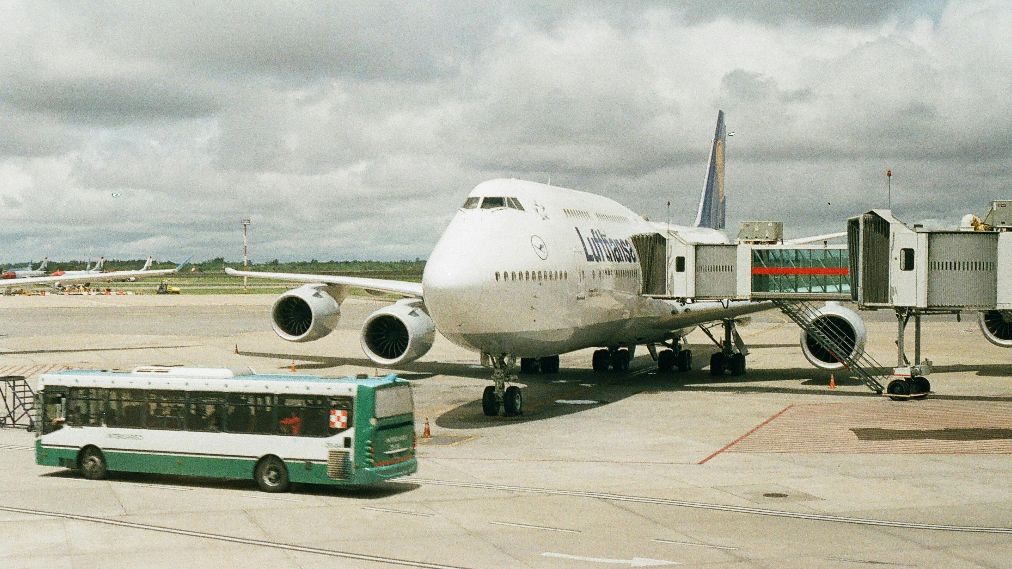
Shipping goods by air involves more than simply paying for the weight of your cargo. Air freight costs are influenced by multiple factors, including airline pricing structures, the shipping route, cargo urgency, and how the chargeable weight is calculated. Understanding these elements is essential for businesses seeking cost-effective and predictable logistics solutions.
1. Actual Weight vs. Volumetric Weight
Airlines calculate freight charges based on the higher of actual weight (the physical weight of the shipment) or volumetric weight (also called dimensional weight). Volumetric weight reflects the space a package occupies in an aircraft rather than its physical mass. The formula typically used is:
Forwarders provide guidance on how to pack efficiently to optimize costs while meeting airline regulations.
2. Surcharges and Fees
Beyond the basic freight rate, airlines and forwarders may apply additional charges such as:
Fuel surcharges, reflecting fluctuating aviation fuel costs
Security and handling fees, covering safety screenings and terminal operations
Customs, import/export duties, and taxes, in coordination with agencies like the Australian Border Force (ABF)
Experienced forwarders clearly outline all potential fees, ensuring shippers understand the total landed cost of their shipment.
3. Route, Urgency, and Service Level
The shipping route and level of service significantly impact pricing. High-demand international corridors, such as Sydney–Singapore or Melbourne–Los Angeles, may carry different rates than domestic flights. Similarly, express, same-day, or time-critical shipments command premium pricing due to priority handling and dedicated flight space.
4. Forwarder Expertise
A professional air freight forwarder helps businesses navigate these variables, offering cost analysis, route optimization, and advice on consolidation or partial shipments. They can also suggest alternate routes or service levels to balance speed, cost, and reliability, making air freight a strategic tool rather than just a shipping expense.
Learn how to calculate chargeable weight in air freight
By understanding how chargeable weight and surcharges work, businesses can budget accurately, avoid surprises, and make informed decisions when shipping high-value, perishable, or urgent goods.
How to Choose the Right Air Freight Forwarder

Selecting the right air freight forwarder is critical for businesses that rely on timely, secure, and compliant air cargo deliveries. A competent forwarder acts as a strategic partner, managing not only logistics but also customs compliance, risk mitigation, and supply chain optimization. Here are the key considerations to guide your selection:
1. Industry Experience and References
Look for forwarders with proven experience in handling cargo similar to yours, whether that’s high-value electronics, medical supplies, or heavy machinery for mining operations. Reliable forwarders can provide case studies, client testimonials, and references, demonstrating their ability to meet deadlines and navigate industry-specific challenges.
2. Membership of Recognized Bodies
Professional affiliation with organizations such as the International Air Transport Association (IATA) or International Federation of Freight Forwarders Associations (FIATA) signals adherence to international standards, operational best practices, and ethical guidelines. Membership ensures forwarders stay updated on evolving regulations and global logistics trends.
3. Customs Knowledge and Local Compliance Capability
A forwarder’s understanding of customs clearance, import/export regulations, and biosecurity requirements is essential. In Australia, this means familiarity with the Australian Border Force (ABF), Department of Agriculture, Fisheries and Forestry (DAFF), and other regulatory authorities. Forwarders with strong local knowledge help prevent delays, fines, and compliance risks.
Understand customs clearance and compliance for air cargo
4. Transparent Pricing and Liability Terms
Clear, upfront pricing is critical. Reliable forwarders outline all freight costs, fuel surcharges, handling fees, and customs charges, and provide transparent terms regarding liability, cargo insurance, and claims procedures. This helps businesses accurately budget and mitigate risk.
5. Real-Time Tracking and Communication
Modern air freight requires visibility. Top forwarders provide real-time tracking, timely updates, and a defined communication protocol, ensuring clients are informed at every stage, from booking to final delivery. This transparency reduces uncertainty and improves operational planning.
6. Local Presence in Key Markets
Forwarders with offices or agents in your origin and destination markets can manage local regulations, airport procedures, and last-mile delivery efficiently. This is particularly important for shipments to remote regions or locations with limited infrastructure.
Choosing the right forwarder is not just a transactional decision; it’s a strategic investment in the reliability, efficiency, and security of your air cargo operations. Businesses that evaluate providers using these criteria position themselves for smooth, cost-effective, and compliant shipping every time.
Major Air Freight Hubs and Routes in Australia
 Australia’s air freight network is structured around several key airports and strategic corridors, forming the backbone of the country’s domestic and international logistics infrastructure. Understanding these hubs and routes is essential for businesses relying on fast, reliable, and compliant air cargo services.
1. Sydney Airport (SYD)
Sydney Airport serves as Australia’s primary international gateway, connecting exporters and importers to major markets across Asia, North America, and Europe. The airport handles high volumes of time-sensitive cargo, including electronics, pharmaceuticals, and high-value manufacturing components. Forwarders leverage SYD’s extensive network to coordinate both direct flights and consolidated shipments.
2. Melbourne Airport (MEL)
Melbourne Airport is a critical southern logistics hub, supporting domestic and international freight operations. Its high cargo throughput makes it ideal for bulk exports, industrial machinery, and automotive components, while also providing seamless connections to Asian trade lanes and domestic cities such as Adelaide and Hobart.
3. Brisbane Airport (BNE)
Brisbane Airport is strategically positioned for northbound trade and Pacific Island routes. It facilitates the movement of goods from Queensland’s mining, agricultural, and manufacturing sectors, and serves as a gateway for time-critical exports to New Zealand, Fiji, and other Pacific markets.
4. Perth Airport (PER)
Perth Airport functions as the Western Australia hub, providing access to Asian and African markets. Its geographic location makes it ideal for resource-based exports, such as mining equipment and high-value commodities, and for shipments requiring specialized handling or express delivery services.
5. Key Commercial Routes
Several commercial corridors dominate Australian air freight, reflecting the country’s global trade priorities:
Sydney–Singapore: A major route for electronics, pharmaceuticals, and general cargo.
Perth–Singapore: Key for mining equipment, agricultural products, and international commerce.
Australia–United States: Essential for high-value exports, including aerospace components, medical devices, and consumer goods.
These hubs and routes illustrate the strategic role of air freight forwarders in coordinating shipments across complex domestic and international networks. By leveraging local expertise, forwarders ensure cargo moves efficiently, complies with regulatory requirements, and meets the high standards of time-sensitive and high-value shipments.
Technology You Should Expect from a Modern Air Freight Forwarder
In today’s global supply chain, leading air freight forwarders rely on technology to streamline operations, enhance visibility, and improve service reliability. Businesses seeking a competitive edge in shipping expect forwarders to provide digital tools that make the entire process more transparent, efficient, and predictable.
1. Real-Time Shipment Tracking and ETA Alerts
Modern forwarders offer live tracking platforms that allow shippers to monitor cargo at every stage of the journey. From origin warehouse pickup to airport acceptance, airborne transit, and final delivery, these tools provide accurate Estimated Time of Arrival (ETA) updates and alerts, giving businesses the confidence to plan downstream operations such as inventory management or distribution.
2. Electronic Airway Bills (e-AWB) and Digital Documentation
The traditional paper airway bill is increasingly replaced by the e-AWB, an IATA-approved electronic document that serves as a contract of carriage and cargo receipt. Digital documentation reduces processing times, minimizes errors, and ensures compliance with international aviation regulations. Forwarders also facilitate secure electronic exchange of invoices, packing lists, and customs declarations, which accelerates customs clearance and export processes.
3. Online Booking Portals and API Integration
Top forwarders provide user-friendly online booking systems, enabling businesses to request quotes, reserve cargo space, and schedule pickups from anywhere. Many also offer API connectivity to airline systems, allowing real-time visibility into flight availability, cargo space, and pricing. This digital integration ensures shippers can optimize routes, consolidate shipments, and respond rapidly to changing market conditions.
By leveraging these technological tools, forwarders enhance operational efficiency, reduce errors, and provide clients with actionable insights. Businesses that work with tech-savvy forwarders benefit from faster transit times, improved cargo security, and greater predictability, all of which are essential for time-sensitive or high-value shipments in industries like healthcare, electronics, mining, and manufacturing.
Sustainability in Air Freight
While air freight is unmatched in speed and reliability, it is also one of the highest-emission transport modes per tonne of cargo, particularly when compared with sea freight. In recent years, sustainability has become a key concern for businesses, regulators, and forwarders alike, prompting the logistics industry to adopt environmentally responsible practices.
1. Emissions Awareness and Carbon Offsetting
Reputable air freight forwarders actively track the carbon footprint of shipments and may offer carbon offset programs. These initiatives often include investing in renewable energy projects, supporting reforestation programs, or participating in verified carbon credit schemes. Forwarders who provide this transparency help businesses meet corporate sustainability goals and comply with increasingly stringent ESG (Environmental, Social, Governance) reporting requirements.
2. Optimised Load Planning
Forwarders reduce environmental impact through load optimisation, ensuring aircraft carry cargo efficiently to minimise wasted space and reduce fuel consumption. Techniques such as consolidation of shipments and strategic route planning decrease unnecessary flights and improve overall transport efficiency, reducing the per-unit carbon footprint.
3. Alternative Shipping Options
When speed is not critical, forwarders advise clients on lower-carbon alternatives, such as combining air and sea transport for part of the journey, or prioritising slow-steaming air cargo flights where available. They also guide packaging choices and pallet configurations that reduce weight and maximize volume efficiency, further lowering emissions per shipment.
By integrating sustainable practices, forwarders not only help clients meet regulatory and environmental obligations but also enhance their corporate social responsibility profile. Businesses that partner with environmentally conscious forwarders gain both operational efficiency and the reputational benefits associated with greener logistics.
Compare air freight vs sea freight: pros and cons for Australian businesses
Frequently Asked Questions About Air Freight Forwarders
1. What does an air freight forwarder do?
An air freight forwarder acts as a logistics intermediary between shippers and airlines. They coordinate airline bookings, prepare shipping documentation such as airway bills (AWBs), arrange customs clearance, and manage cargo handling and delivery both before departure and after arrival. Forwarders also advise on packaging, insurance, and regulatory compliance, ensuring goods move efficiently, safely, and in line with Australian Border Force (ABF) and IATA regulations.
2. How long does air freight take in Australia?
Transit times vary depending on the route, cargo type, and service level. Domestic shipments between major cities like Sydney, Melbourne, Brisbane, and Perth can be delivered overnight or within 1–2 days. International shipments typically take 1–7 days, depending on factors such as flight frequency, customs processing, and the distance between origin and destination. Forwarders provide real-time tracking and estimated delivery dates to keep shippers informed throughout the journey.
3. How is air freight charged?
Air freight costs are based on the greater of actual weight or volumetric weight. Volumetric weight reflects the space a shipment occupies in the aircraft and is calculated using a standard formula. Airlines may also apply fuel surcharges, security fees, and handling charges, while forwarders add service fees, customs charges, and insurance premiums. Understanding chargeable weight and associated surcharges helps businesses accurately plan logistics costs.
4. Do I need a customs broker?
For international shipments, engaging a customs broker or working with a forwarder that offers customs clearance expertise is highly recommended. They prepare and lodge import/export paperwork, ensure compliance with ABF and DAFF regulations, and clear goods through customs efficiently. Using a licensed broker reduces the risk of delays, fines, or shipment rejection, especially for sensitive or high-value cargo.

Written by Henry Llama
Henry Llama is a seasoned logistics professional and air freight forwarding specialist with over 15 years in the industry. At jpgtopdf.onl, he shares insights to help businesses move goods faster, smarter, and more efficiently across the globe.